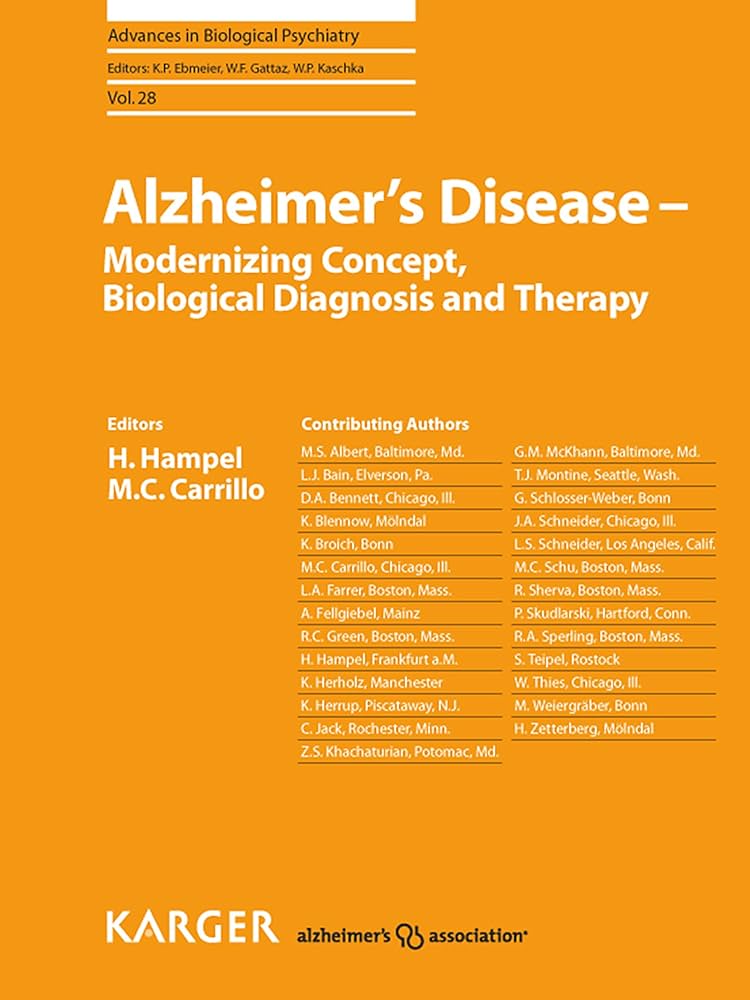
Alzheimers Disease Modernizing Concept, Biological Diagnosis and Therapy: Description
Alzheimer's Disease - Modernizing Concept, Biological Diagnosis and Therapy is a scientific and clinical reference book that focuses on modern approaches to understanding, diagnosing, and treating Alzheimers disease. It brings together updated research in neuroscience, molecular biology, and clinical medicine.
Overview
The book explores Alzheimer's Disease, a progressive condition that affects memory, thinking, and behavior. It emphasizes new concepts that go beyond traditional views, incorporating biological and technological advancements.
Key Topics Covered
1. Modern Concepts of Alzheimers Disease
- Updated theories of disease development
- Role of amyloid plaques and tau proteins
- Understanding disease progression at a molecular level
2. Biological Diagnosis
- Use of biomarkers for early detection
- Brain imaging techniques (MRI, PET scans)
- Blood and cerebrospinal fluid (CSF) analysis
3. Pathophysiology
- Neuronal damage and brain degeneration
- Inflammation and oxidative stress
- Genetic and environmental factors
4. Therapeutic Approaches
- Current drug treatments (symptomatic relief)
- Disease-modifying therapies under research
- Lifestyle and supportive care strategies
5. Future Directions
- Personalized medicine
- Advances in early diagnosis
- Innovative treatment strategies
Purpose of the Book
- To provide updated knowledge on Alzheimers disease
- To improve early diagnosis and treatment
- To support research and clinical advancements
Target Audience
- Neurologists
- Researchers in neuroscience
- Medical professionals
- Students in medicine and life sciences
Conclusion
This book is a valuable academic resource that highlights modern scientific insights into Alzheimers disease, focusing on biological diagnosis and innovative therapies to improve patient outcomes.
If you want, I can also provide:
- Weight and dimensions
- Short exam notes
- Important points
Comprehensive Insights into Alzheimer's DiseaseThis book presents a modern approach to understanding Alzheimer's Disease, offering detailed discussions on its pathology, real-world diagnostic techniques, and current therapeutic strategies. Dr. Atul Tiwari distills complex advancements into accessible, practical knowledge for clinicians and researchers.
Designed for Medical and Clinical ProfessionalsTargeted at healthcare practitioners and medical researchers, the book uses clear language and visual aids to explain clinical and biological markers, ensuring readers gain valuable understanding necessary for optimal patient care and research innovation.
Premium Academic Reference QualityWith a sturdy hard cover, glossy finish, and high-quality coated Maplitho paper, this 194-page reference book ensures durability and readability. Its A4 size and perfect binding make it a lasting addition to any professional medical library.
FAQ's of Alzheimer's Disease - Modernizing Concept, Biological Diagnosis and Therapy:
Q: How does this book approach the biological diagnosis of Alzheimer's Disease?
A: The book provides in-depth coverage of modern biological diagnostic tools and biomarkers, outlining practical methods for early and accurate identification of Alzheimer's disease based on the latest scientific findings.
Q: What are the main benefits of using this resource for clinical professionals?
A: Medical and clinical professionals gain access to up-to-date therapeutic protocols, evidence-driven research, and practical guidance, all tailored to enhance patient assessment and management in both research and clinical settings.
Q: When was this edition published and how current is the information?
A: This first edition was published in 2023, ensuring that the diagnostic and therapeutic concepts discussed are firmly rooted in the most recent advances and practices in Alzheimer's disease care.
Q: Where can this book be obtained and what is its format?
A: The book, published by CBS Publishers & Distributors Pvt. Ltd. in India, comes in a hard cover with a glossy finish and A4 size pages, suitable for academic and reference purposes.
Q: What is the process for using the book as a clinical or academic reference?
A: Clinicians and researchers can utilize the clearly organized chapters and indexed content to quickly locate relevant diagnostic and therapeutic information for case studies, teaching, and ongoing clinical practice.
Q: Who is the intended audience for this book?
A: The book is designed primarily for medical and clinical professionals, including physicians, neurologists, researchers, and advanced medical trainees interested in Alzheimer's Disease.
Q: What makes the physical quality of this book stand out for professional use?
A: With perfect binding, a robust hard cover, and high-quality coated Maplitho paper, the book offers durability and longevity, ideal for repeated reference in busy clinical and academic environments.

 GST No.33ACKPV1876F1ZB


 Our Products